 1 Day
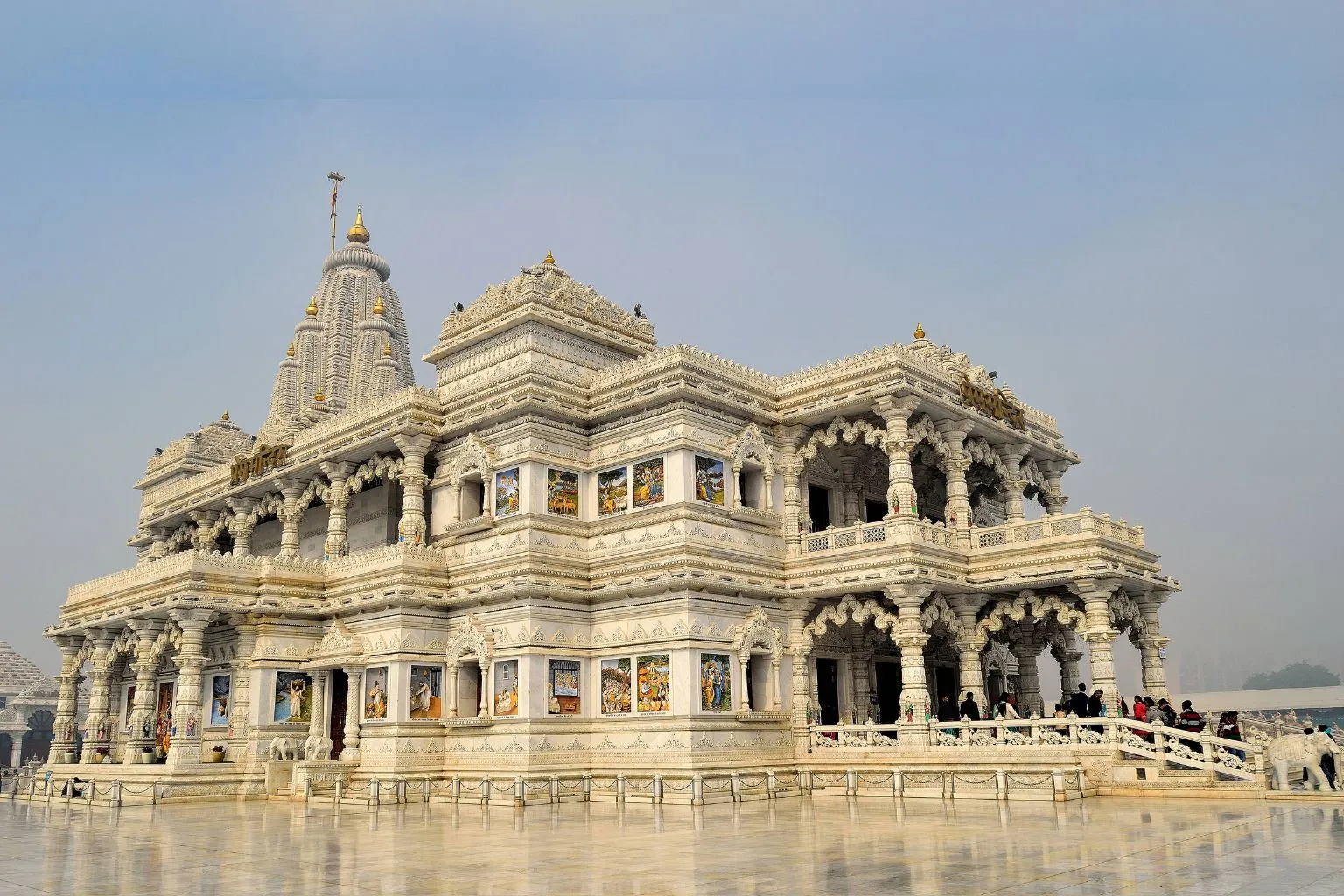
Radha Raman Temple Vrindavan Visit
Self-Manifested Deity of Lord Krishna in Sacred Vrindavan
Quick answer
What are the Radha Raman Temple timings, and how do you visit?
Radha Raman Temple is open approximately about 5:00 AM – 12:30 PM (in short darshan slots) and about 6:00 – 9:00 PM, with the doors closed in the afternoon. Entry is free. It is in Near Seva Kunj, old Vrindavan — about 12–14 km from Mathura Junction (30–40 min by car); the last stretch through old-town lanes is by e-rickshaw or on foot. Plan 30–45 minutes; the best time to go is morning shringar darshan or evening.
- Morning
- ≈ 5:00 AM – 12:30 PM (in short darshan slots)
- Evening
- ≈ 6:00 – 9:00 PM
- Entry fee
- Free
- Time needed
- 30–45 minutes
- Location
- Near Seva Kunj, old Vrindavan
- Best time
- Morning shringar darshan or evening
- How to reach: ≈ 12–14 km from Mathura Junction (30–40 min by car); the last stretch through old-town lanes is by e-rickshaw or on foot
- Dress code & rules: Modest, traditional clothes; remove footwear before entering. Photography inside the sanctum is usually not allowed
Timings last checked: October 2026
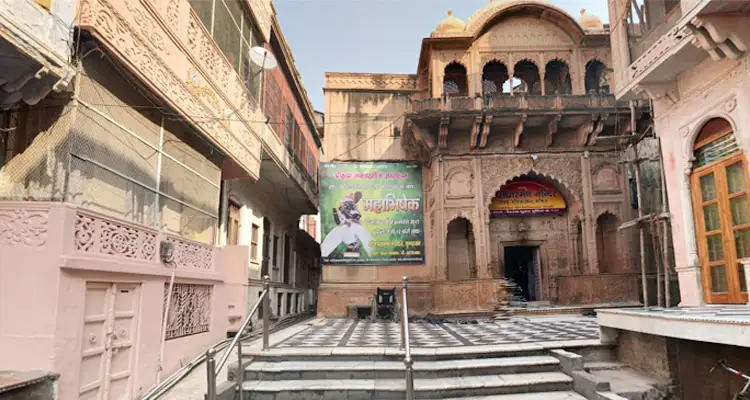
Radha Raman Temple, Vrindavan
Self-Manifested Krishna Deity • Pure Bhakti Tradition
The Radha Raman Temple Vrindavan is one of the most sacred and spiritually revered temples in Vrindavan, dedicated to Lord Krishna in his self-manifested Radha Raman form. The temple is known for its deep devotional practices and its strong connection to traditional Vaishnava worship.
The simple sanctum, heartfelt aartis, and intimate darshan atmosphere create a powerful spiritual connection for devotees. Visiting Radha Raman Temple offers a pure, uninterrupted experience of Krishna bhakti, making it a cherished destination for those seeking devotion, peace, and timeless spiritual energy in Vrindavan.
Radha Raman Temple, Vrindavan – Darshan & Aarti Timings
Daily darshan timings for the ancient Radha Raman shrine in old Vrindavan
| Session | Darshan Time | Aarti / Seva | Remarks |
|---|---|---|---|
| Morning Darshan | ≈ 5:00 AM – 12:30 PM | Mangla 5:00, Shringar ≈ 9:30, Rajbhog ≈ 12:00 | Old-town lanes get crowded |
| Afternoon Break | 12:30 PM – 6:00 PM | Temple closed | No darshan |
| Evening Darshan | 6:00 PM – ≈ 9:00 PM | Sandhya & shayan aarti | Calm evening darshan |
Timings are approximate and change with the season and on festivals. Last checked: October 2026.
* Timings can vary slightly on Ekadashi, Kartik month, Janmashtami and other festival days. Due to narrow lanes, plan extra time for walking and crowd movement.
Distance to Radha Raman Temple, Vrindavan
Approximate road distance from key temples and transport hubs
| Location | Distance | Travel Time | Mode |
|---|---|---|---|
| Banke Bihari Temple | 1–2 km | 8–15 min | Walk / E-rickshaw |
| Madan Mohan Temple | 1–2 km | 10–15 min | Walk / E-rickshaw |
| ISKCON Temple | 4–5 km | 20–30 min | Auto / Taxi |
| Prem Mandir | 6–7 km | 25–40 min | Auto / Taxi |
| Vrindavan Bus Stand | 2–3 km | 10–15 min | Auto |
| Mathura Railway Station | 12–14 km | 35–50 min | Taxi |
| Govardhan | 22–25 km | 50–65 min | Car |
| Agra | 80–85 km | 2–2.5 hrs | Car / Bus |
| Delhi | 160–170 km | 4–5 hrs | Car / Train |
* Old Vrindavan lanes can slow down travel—walking + e-rickshaw is often faster than cars near the temple area.
Day trips & 2-day tours
Short Mathura Vrindavan tours with a private cab — Radha Raman Temple is on the route.
1 Day1 Day 1 Day
 1 Day
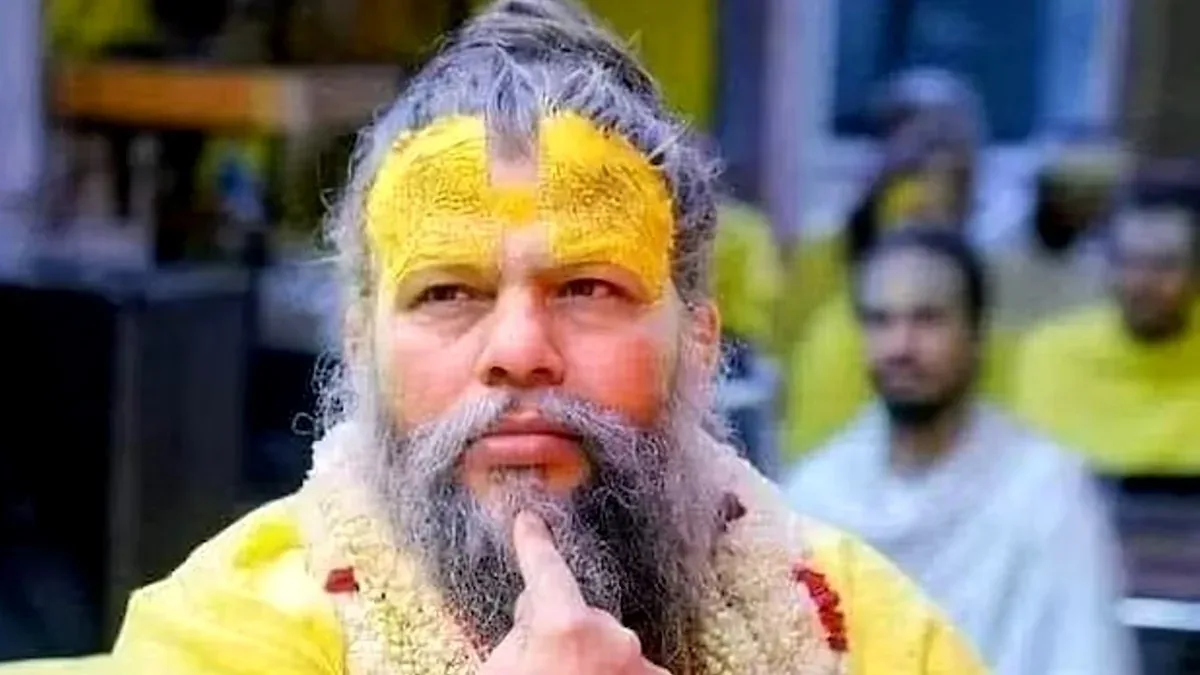 1 Day
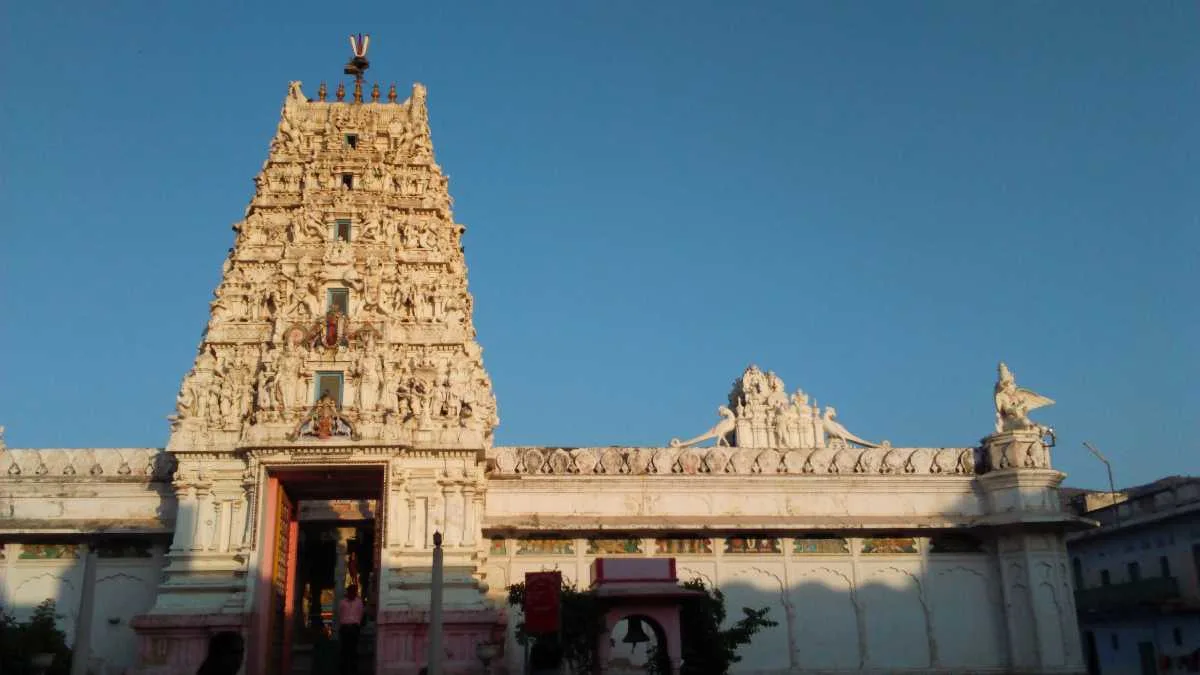 2 Days
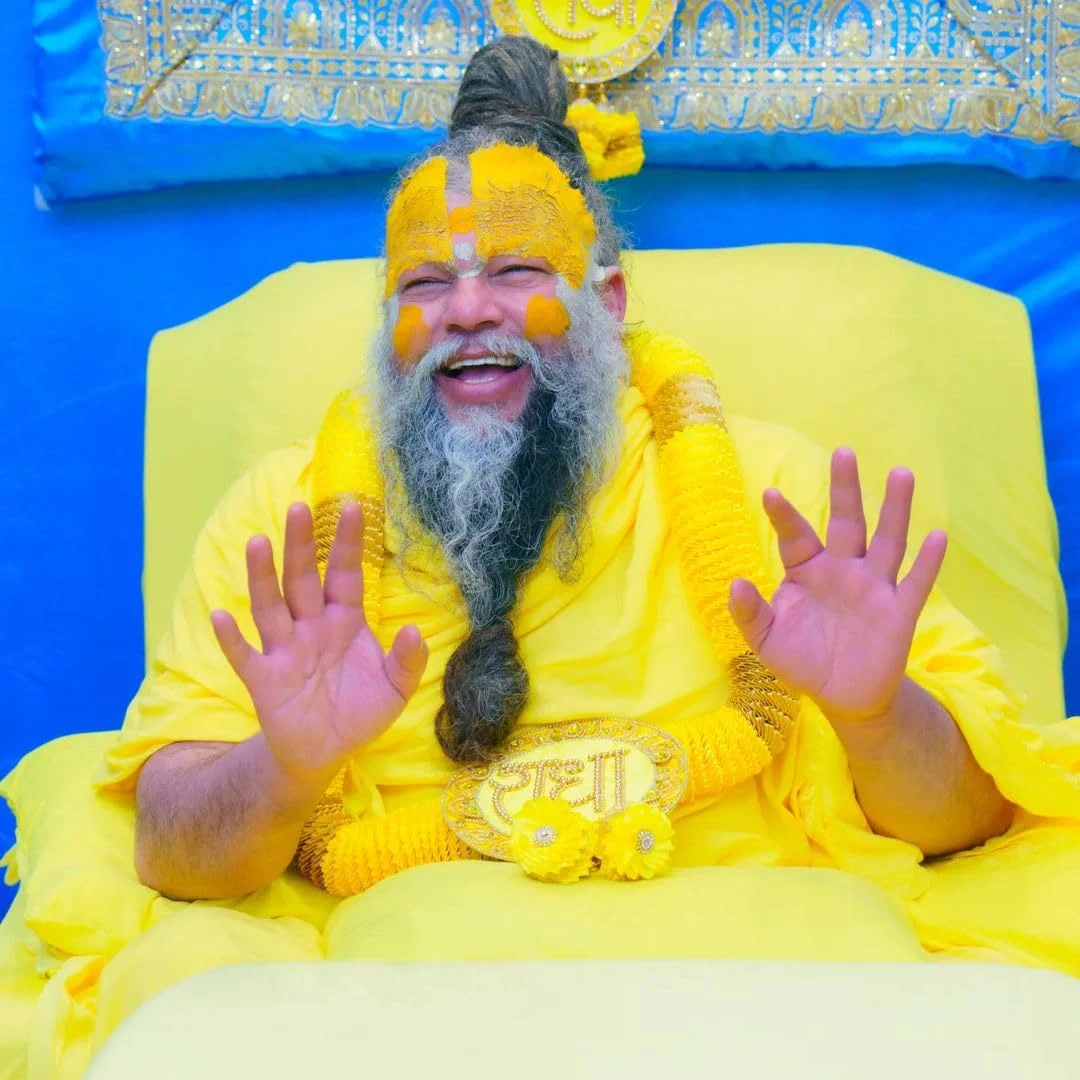 2 Days
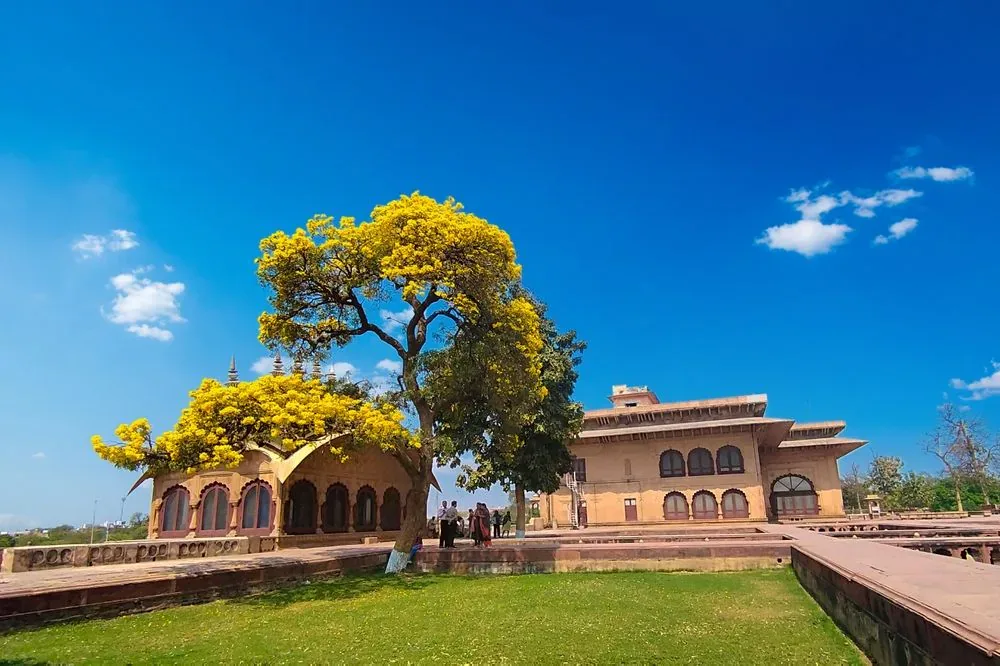 2 Days
Best Season to Visit Radha Raman Temple, Vrindavan
Weather comfort, crowd pattern, and old-town darshan experience
| Season | Months | Weather | Why Visit |
|---|---|---|---|
| Winter | October – March | Cool & Pleasant | Best for walking in old Vrindavan lanes and temple hopping |
| Summer | April – June | Hot (35–45°C) | Early morning darshan recommended; avoid midday heat |
| Monsoon | July – September | Humid with Rain | Fewer crowds, devotional vibe (lanes may get slippery) |
* For the smoothest darshan, visit on weekdays and reach before 9:00 AM. Old-town temples feel most peaceful in the early morning.
Radha Raman Temple Vrindavan: a quiet, living tradition
A deity that appeared from a shaligram
Radha Raman Temple is one of the seven main temples of the Goswamis of Vrindavan. Its deity, Shri Radha Raman ji, is believed to have appeared on his own (swayambhu) from a shaligram shila worshipped by Gopal Bhatta Goswami, a close follower of Chaitanya Mahaprabhu, in the year 1542. Unlike many old Vrindavan deities that were taken away to Rajasthan for safety in the Mughal period, Radha Raman ji never left the town.
There is no separate Radha murti. A crown is placed on the left side of Radha Raman ji to show Radha's presence. The deity is small, and the darshan is close and personal, which is why many devotees say this is the most intimate darshan in Vrindavan.
The kitchen fire that has burned since 1542
One famous detail is the temple kitchen. The tradition says its fire was lit by Gopal Bhatta Goswami without matches, using wood and Vedic mantras, and it has been kept alive ever since. All bhog for the deity is still cooked on this fire, and no matchbox is allowed inside the kitchen. The seva is done by the Goswami families, the descendants of the original sevaits, so the worship style has stayed almost unchanged.
Darshan timings and how to plan
Radha Raman ji gives darshan in short slots through the morning and the evening, with the doors closing between bhog offerings. Arrive a few minutes before a slot opens and wait in the courtyard. The best-known festival is the appearance day on Vaishakh Purnima (April–May), when the deity is bathed in milk and other items, and the temple is packed.
Current slot timings are listed on our Mathura Vrindavan temple timings page. The lanes are narrow, so you will walk or take an e-rickshaw from the parking.
Etiquette inside the temple
- Photography of the deity is not allowed. Keep your phone in your pocket in the darshan hall.
- Dress modestly and remove shoes outside; there are small shoe stands nearby.
- The hall is small. Don't push in the front rows; there is always another slot.
- Offerings like flowers, tulsi and sweets can be bought from shops in the lane.
The Goswami families and their seva
The daily worship at Radha Raman is done by the Goswami families, who take turns in the service of the deity. The dress, ornaments and bhog are planned carefully for each season — light cotton in summer, warm velvet and shawls in winter. If you visit on different days, you'll notice the shringar changing, and many regular devotees come just to see the day's dress.
Best time for a calm darshan
Weekday mornings are the quietest. Ekadashi, Purnima and the Kartik month bring more visitors, and the appearance festival on Vaishakh Purnima is very crowded. If you're staying in Vrindavan, try to attend an early darshan and then sit in the courtyard for some time — the small, close darshan is best enjoyed without rushing to the next temple.
Combining it with other old-town temples
Radha Raman is in the heart of old Vrindavan, a short walk from Banke Bihari, Nidhivan and Seva Kunj. The Radha Gokulananda and Radha Shyamasundar temples, two more of the seven Goswami temples, are also close. With a local guide you can cover all of these in one unhurried morning on foot. If you prefer someone else to plan it, our 1 day Vrindavan darshan and Mathura tour includes the old-town temples in the morning slot.
Longer Braj tour packages
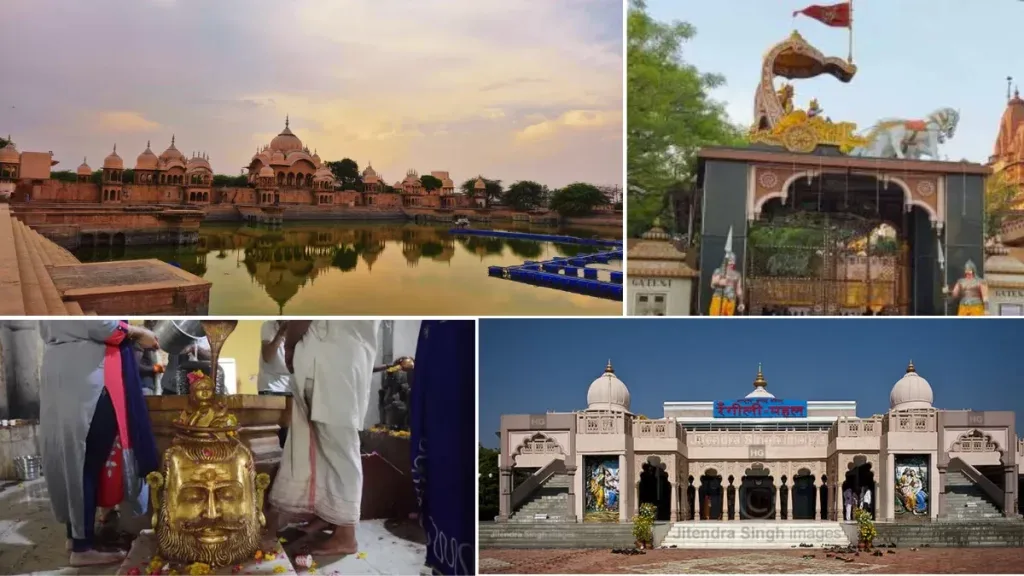
3 to 8 day trips across Braj — Mathura, Vrindavan, Govardhan, Barsana and Gokul — with hotel and cab.
 3 Days
 3 Days
 3 Days
 Vrindavan Tour with Premanand Ji Darshan from Delhi
Satsang + temples • Spiritual immersion
Details
 4 Days
 4 Days
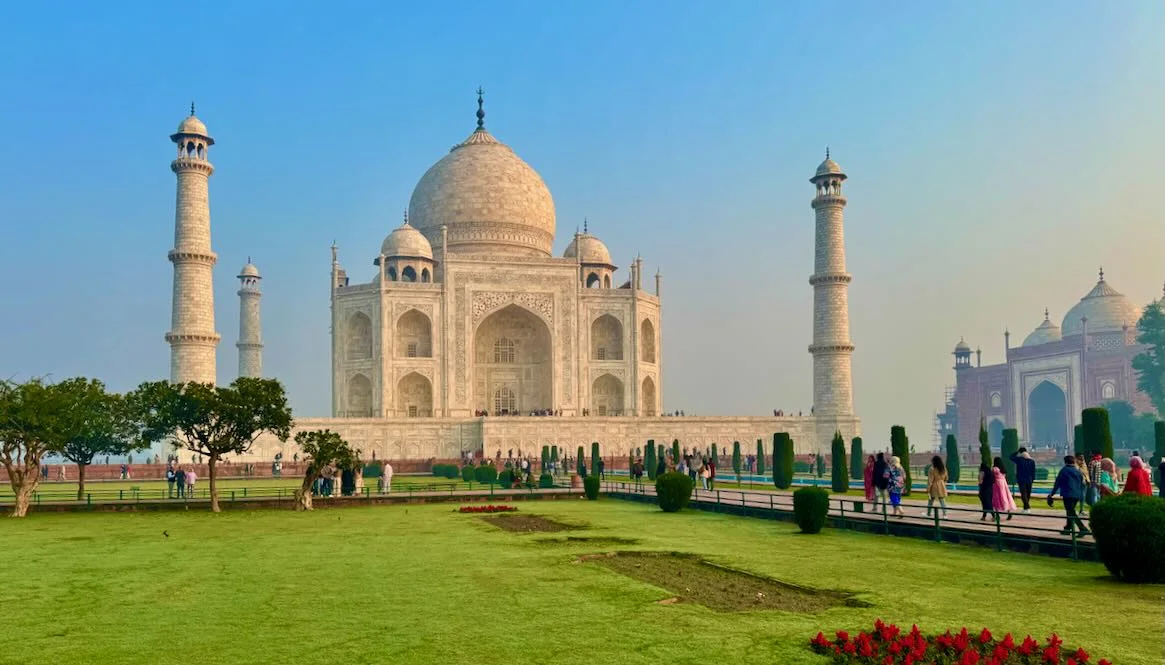
 Mathura Vrindavan Tour via Taj Mahal from Delhi
Taj Mahal add-on • Best of heritage + devotion
Details
5 Days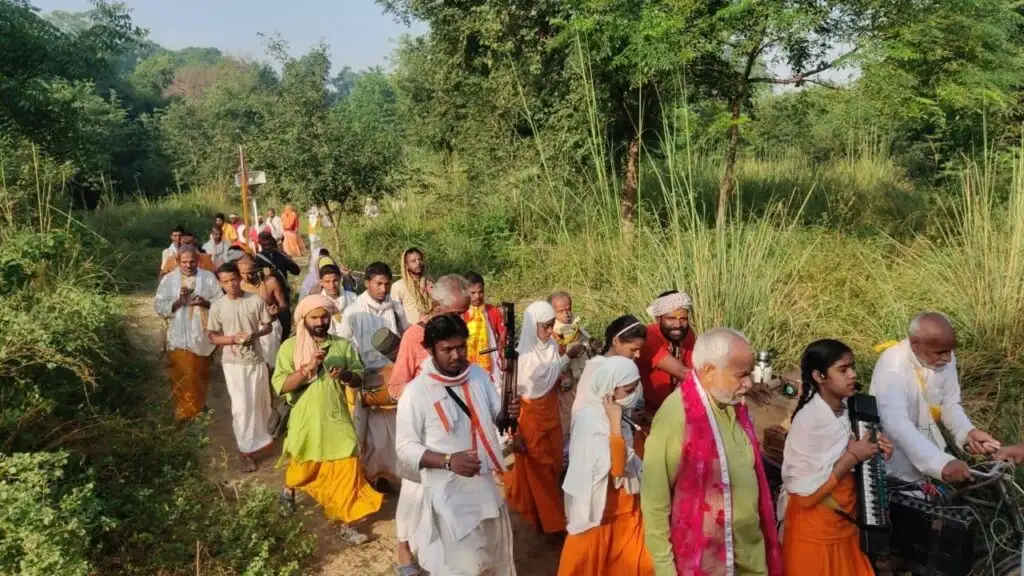 5 Days
 8 Days
FAQ Section
Frequently Asked QuestionsAsked Questions
Everything you need to know your spiritual journey.
Radha Raman ji is believed to include Radha within himself. A crown (mukut) is kept on his left side to show Radha's presence.
Need Help?
We’re here to assist you anytime
More ToursPopular
Quick links to best routes & packages
01020304050607
1 Day Delhi to Mathura Tour
→Same-day Mathura darshan
1 Day Premanand Maharaj Ji Darshan Tour
→Ashram darshan & satsang
2 Day Premanand Maharaj Ji Darshan Tour
→Relaxed spiritual experience
4 Days Delhi Agra Jaipur Tour via Vrindavan
→Golden Triangle with Krishna land
4 Days Mathura Vrindavan Tour
→Temples, ghats & aartis
5 Days Mathura Vrindavan Holi Package
→Barsana & Vrindavan Holi
Haridwar Rishikesh Tour via Agra & Mathura
→Ganga aarti & yoga towns
Fast reply • Clear pricing • No hidden charges
GALLERY
Mathura & Vrindavan Moments
Glimpses from darshan routes, temples, and sacred experiences.